
Natural Nutrients for Physical Activity
Educational content only. No promises of outcomes.
Motion and Nutrition Connection
Physical activity in humans requires coordinated biological processes supported by proper nutrition. Understanding how natural nutrients contribute to these processes helps explain the foundation of everyday movement and activity in adult males.
This educational resource presents scientific information about key nutrients found in natural food sources and their roles in supporting muscle energy, joint function, and general physical capacity. The information here is presented for educational purposes only and describes how nutrients function in human physiology.
Nutrition plays a fundamental role in maintaining the energy systems, muscle support structures, and oxygen delivery mechanisms that enable human movement. Different nutrients contribute to various aspects of these systems through their biochemical functions.
Key Nutrients for Activity
| Nutrient | Primary Function | Natural Sources |
|---|---|---|
| Omega-3 Fatty Acids | Support muscle membrane structure and cardiovascular function | Salmon, walnuts, flax seeds |
| Magnesium | Involved in muscle contraction and energy production | Pumpkin seeds, almonds, dark chocolate |
| Iron | Essential for oxygen transport in blood | Red lentils, spinach, red meat |
| Vitamin D | Supports bone density and muscle function | Salmon, egg yolks, natural sunlight |
| Zinc | Supports immune function and protein synthesis | Cashews, beef, pumpkin seeds |
| Electrolytes | Regulate muscle contractions and hydration | Coconut water, bananas, sea salt |
Natural Nutrient Sources
Salmon
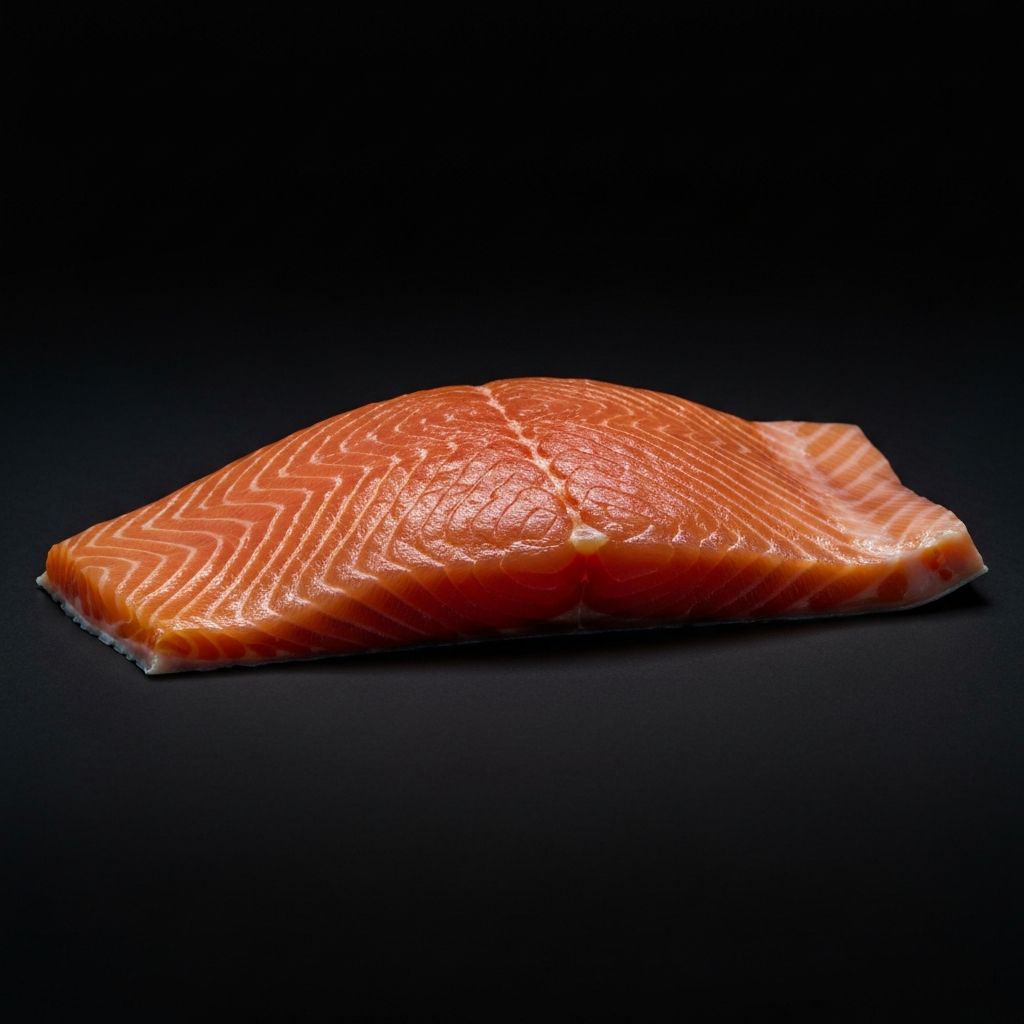
Salmon is a significant natural source of omega-3 fatty acids and vitamin D. These nutrients play roles in muscle membrane composition and bone health. Omega-3 fatty acids also contribute to cardiovascular function, which supports oxygen delivery during physical activity.
Approximate nutrient profile: High in EPA and DHA (omega-3 types), vitamin D, selenium, and B vitamins.
Cashews
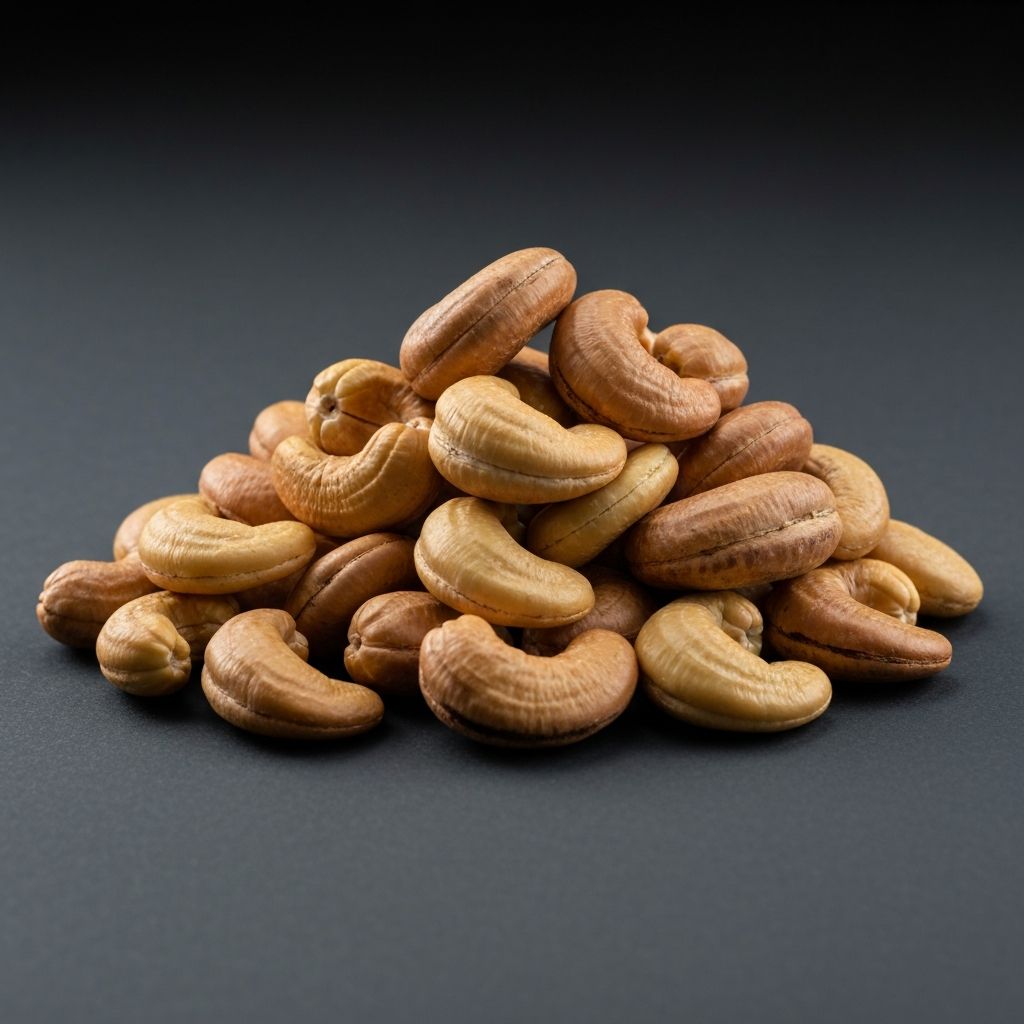
Cashews provide notable amounts of magnesium and zinc, minerals involved in energy metabolism and protein synthesis. Magnesium plays a role in muscle function and nervous system signaling, which are essential for coordinated movement.
Approximate nutrient profile: Rich in magnesium, zinc, copper, and healthy fats.
Spinach

Spinach contains iron and folate, nutrients essential for oxygen transport and cellular function. Iron enables hemoglobin to carry oxygen through the bloodstream to working muscles, supporting physical capacity.
Approximate nutrient profile: High in iron, folate, vitamins A, C, K, and magnesium.
Omega-3 Fatty Acids and Muscle Support
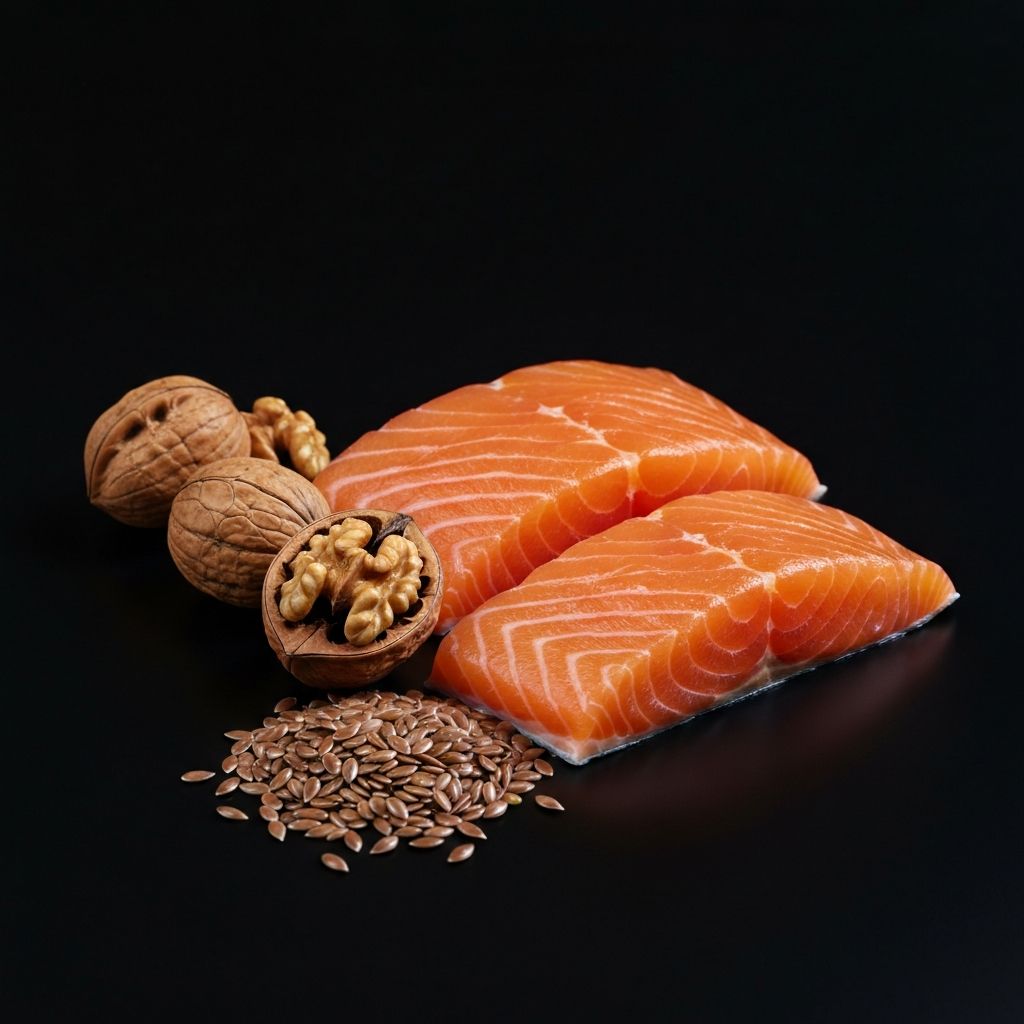
Omega-3 fatty acids, particularly EPA and DHA found in fatty fish, play important roles in muscle physiology. These polyunsaturated fats are structural components of cell membranes in muscle tissue. They also support the cardiovascular system, which delivers oxygenated blood to working muscles.
Research has indicated that omega-3 fatty acids participate in reducing exercise-induced inflammation, a natural part of muscle activity. They also support joint function, which is important for maintaining mobility in physical activity.
Natural sources: Salmon, mackerel, sardines, walnuts, chia seeds, and flax seeds are excellent plant and animal sources of omega-3 fatty acids.
Magnesium and Physical Activity

Magnesium is a critical mineral for muscle contraction and energy production. It acts as a cofactor in over 300 enzymatic reactions in the human body, including those involved in ATP synthesis—the primary energy currency in cells.
During physical activity, muscles require proper magnesium levels to contract and relax efficiently. Magnesium also plays a role in regulating nervous system signals that coordinate muscle movement.
Natural sources: Pumpkin seeds, almonds, spinach, cashews, dark chocolate, and legumes are rich in magnesium.
Iron and Oxygen Delivery
Iron is essential for the production of hemoglobin and myoglobin, proteins that transport and store oxygen. Hemoglobin in red blood cells carries oxygen from the lungs to muscles and other tissues. Myoglobin in muscle cells accepts and stores oxygen for use during muscle contraction.
Adequate iron levels ensure sufficient oxygen availability for aerobic metabolism during physical activity. Without proper iron status, oxygen delivery to muscles is compromised, affecting physical capacity and endurance.
Natural sources: Red meat, spinach, lentils, quinoa, fortified cereals, and beans provide significant amounts of dietary iron.
Note: Iron comes in two forms in food: heme iron (from animal sources) is more readily absorbed, while non-heme iron (from plant sources) requires vitamin C for better absorption.
Vitamin D and Bone Function
Vitamin D plays a crucial role in calcium absorption and bone mineralization. Strong bones are the structural foundation for all physical movement. Vitamin D also influences muscle function through its effects on muscle fiber composition and calcium regulation.
Recent research suggests vitamin D may also support immune function and reduce inflammation—factors that contribute to overall physical well-being and recovery from activity.
Natural sources: Salmon, mackerel, egg yolks, mushrooms exposed to sunlight, and fortified dairy products contain vitamin D.

Electrolytes in Physical Activity
Electrolytes—minerals including sodium, potassium, calcium, and magnesium—are essential for muscle contraction, nerve transmission, and hydration balance. During physical activity, the body loses electrolytes through perspiration, which must be replaced to maintain optimal function.
Potassium supports muscle function and helps regulate blood pressure during activity. Sodium aids in maintaining fluid balance and muscle contraction. Calcium and magnesium work together in the muscle contraction-relaxation cycle.


Natural sources: Bananas, coconut water, sweet potatoes, spinach, Greek yogurt, and sea salt are excellent natural sources of electrolytes.
Energy for Movement
Physical movement requires energy, supplied primarily through the breakdown of carbohydrates, fats, and proteins. The body converts these macronutrients into ATP (adenosine triphosphate), the molecule that powers muscle contraction.
Carbohydrates are the quickest energy source, providing glucose that fuels anaerobic activities. Fats provide sustained energy for longer, lower-intensity activities. Proteins support muscle repair and growth after physical exertion.
B vitamins (thiamine, riboflavin, niacin, pantothenic acid, and B12) are crucial cofactors in energy metabolism. They help convert food into usable energy at the cellular level.
Adequate hydration and proper electrolyte balance are also essential for maintaining energy production and muscle function during physical activity.
Recovery and Nutrient Considerations
After physical activity, the body enters a recovery phase. During this time, protein synthesis increases, and the body works to repair muscle damage and replenish energy stores. Adequate nutrition during this window supports these processes.
Protein provides amino acids necessary for muscle repair and growth. Carbohydrates replenish depleted glycogen stores. Antioxidant-rich foods (fruits, vegetables) may help manage the oxidative stress created by intense physical activity.
Zinc and iron remain important for recovering muscle tissue and maintaining oxygen transport capacity. Magnesium supports muscle relaxation and nervous system recovery.

Daily Activity and Nutrient Roles
Everyday physical activity—walking, climbing stairs, maintaining posture—relies on the coordinated function of multiple nutrient systems. These routine movements are supported by adequate energy production, muscle function, and skeletal integrity.
The nutrients discussed in this resource work synergistically to maintain the physical capacity for daily movement. No single nutrient is sufficient; proper overall nutrition encompassing a variety of natural foods supports optimal physical function.
Individual nutrient needs vary based on age, sex, activity level, and overall health status. Dietary diversity—consuming a wide range of natural foods—provides the spectrum of nutrients necessary for maintaining physical health and activity capacity.
Scientific Perspective
The information presented here is grounded in established nutritional science and biochemistry. Research has consistently demonstrated the roles of these nutrients in supporting physical function, muscle health, and energy metabolism.
Published studies in peer-reviewed journals have documented the biochemical mechanisms through which nutrients support muscle contraction, oxygen transport, bone health, and recovery processes. This educational resource synthesizes that research into accessible explanations.
However, this information is presented for educational purposes only and should not be construed as personalized medical or nutritional advice. Individual nutritional needs and health considerations vary significantly.
Explore More Information
This educational resource provides foundational information about nutrients and physical function. For more detailed information about specific topics, visit our detailed sections or review the scientific literature cited in our FAQ.
Read Detailed Questions View Important Disclaimers